

The Evolution of Search: From Keywords to Context
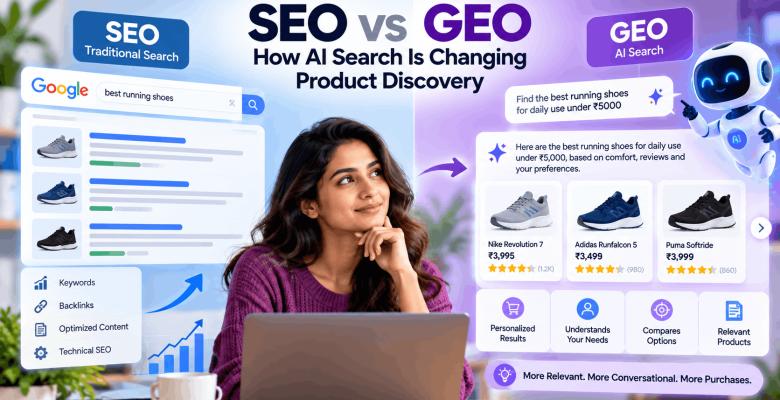
For decades, SEO (Search Engine Optimization) has been the cornerstone of digital visibility. Marketers meticulously researched keywords, optimized meta tags, built backlinks, and structured content hoping to rank higher on Google's results pages. This process revolved around understanding algorithmic patterns and user intent expressed through search queries. But the rise of generative AI in search engines is fundamentally altering how people discover products and information.
Enter GEO - Generative Engine Optimization. Unlike traditional SEO, which focuses on pleasing algorithmic crawlers, GEO centers on crafting content that generative AI systems find valuable enough to incorporate into their responses. This shift represents more than just a technical change; it's a transformation in how consumers interact with information and make purchasing decisions.
Understanding Traditional SEO
SEO operates on principles designed to match user queries with relevant web pages. Key elements include:
- Keyword Research: Identifying terms users search for.
- On-Page Optimization: Incorporating keywords into titles, headers, meta descriptions, and content.
- Technical SEO: Ensuring websites load quickly, are mobile-friendly, and have clean code.
- Backlink Building: Acquiring links from authoritative sites to boost domain authority.
- Content Quality: Creating comprehensive, valuable content that satisfies user intent.
The goal was clear: appear on the first page of search results for target queries. Success meant driving organic traffic through clicks on listed links.
What is Generative Engine Optimization (GEO)?
Generative Engine Optimization addresses how AI-powered search tools like ChatGPT, Bing Chat, or Google's SGE (Search Generative Experience) function. Instead of returning lists of links, these engines synthesize information from multiple sources to generate direct answers. For product discovery, this means users might see AI-generated comparisons, recommendations, or summaries without ever clicking through to a website.
GEO focuses on ensuring your product information is:
- Cited: Included as a source in AI-generated responses.
- Contextually Relevant: Aligned with the conversational nature of AI queries.
- Structured Clearly: Easy for AI systems to parse and extract key details.
- Authoritative: Positioned as a trusted reference through expertise and accuracy.
The objective shifts from driving clicks to becoming an indispensable source that AI engines rely upon for accurate responses.
How AI Search Changes Product Discovery
Imagine a user asking an AI assistant: "What's the best wireless earbuds for running under $100?" Instead of scanning through pages of results, they receive a synthesized answer comparing features, battery life, and comfort levels – potentially citing specific products. This fundamentally alters the customer journey:
- Fewer Clicks: Users get answers directly, reducing visits to retailer sites.
- Conversational Queries: Searches become more natural and context-rich.
- Comparison-Driven Results: AI often presents alternatives side-by-side.
- Trust in Synthesis: Users may accept AI summaries without verifying sources.
For marketers, this means competing not just for rankings, but for inclusion in the AI's knowledge base. Your product details need to be easily accessible, accurate, and presented in ways that make them favorable candidates for AI citation.
Key Differences Between SEO and GEO
While SEO and GEO share the goal of visibility, their methods and metrics differ significantly:
Intent and Interaction
SEO targets users actively searching with specific keywords. GEO must anticipate broader, conversational questions where users haven't fully formed their intent.
Content Structure
SEO often relies on keyword density and hierarchical content structures. GEO requires clear, concise information with well-defined attributes (like price, features, pros/cons) that AI can easily extract and compare.
Success Metrics
SEO success is measured in rankings, clicks, and conversions. GEO success appears in citations within AI responses – which may not generate direct traffic but build brand authority and influence decisions.
Technical Approach
SEO involves sitemaps, robots.txt, and structured data. GEO emphasizes schema markup, API-accessible data, and ensuring information appears in knowledge graphs AI systems use.
Optimizing for Generative Engine Optimization
Adapting to GEO requires new strategies alongside traditional SEO:
Enhance Content Depth and Clarity
Create comprehensive product descriptions with explicit details. Use bullet points for features, tables for comparisons, and clear headings. Avoid vague marketing fluff – AI systems prioritize factual, structured data.
Implement Robust Schema Markup
Schema.org structured data helps AI understand your content. Use product schemas to define price, availability, reviews, and specifications. This makes it easier for generative engines to extract and reference your information accurately.
Focus on Entity-Based Optimization
AI understands entities (people, places, products) and their relationships. Ensure your content clearly establishes your product as a recognized entity with defined attributes and context.
Build Authority Through Expertise
Generative AI favors trustworthy sources. Demonstrate expertise through detailed guides, unbiased comparisons, and original research. Earn citations from reputable publications to boost your authority signals.
Monitor AI-Generated Responses
Regularly test how your products appear in AI search results. Use tools to track when and how your content is cited. Analyze gaps where competitors appear instead.
The Future of Product Discovery
As AI search evolves, the line between SEO and GEO will blur. Successful marketers won't abandon SEO but will integrate GEO principles:
- Hybrid Strategies: Optimize for both traditional search and generative engines.
- Conversational Content: Develop content anticipating natural language queries.
- Owned Data Channels: Strengthen presence on platforms where AI pulls data (like Google Merchant Center).
- Brand Building: Focus on becoming a recognized authority AI trusts implicitly.
The shift toward AI-powered discovery isn't replacing search – it's expanding it. By understanding both SEO and GEO, marketers can ensure their products remain visible however users choose to find them.

Discussion & Feedback